By ทีม BT San Technology · 7 min read · Machine vision
Machine Vision isn't new technology, but many factories still hesitate, afraid of overspending or buying something that won't fit their line. This article covers what to check before you start.
1. Is the problem you're solving clearly defined?
Don't start from 'we want vision'. Start from 'which defect causes the most customer returns?' or 'which station is the QC team struggling with most?'
2. Throughput and tact time
Line speed dictates camera spec (line scan vs area scan), shutter, and trigger logic. A quick smartphone test gives you a rough idea before specifying hardware.
3. Lighting is often the real problem
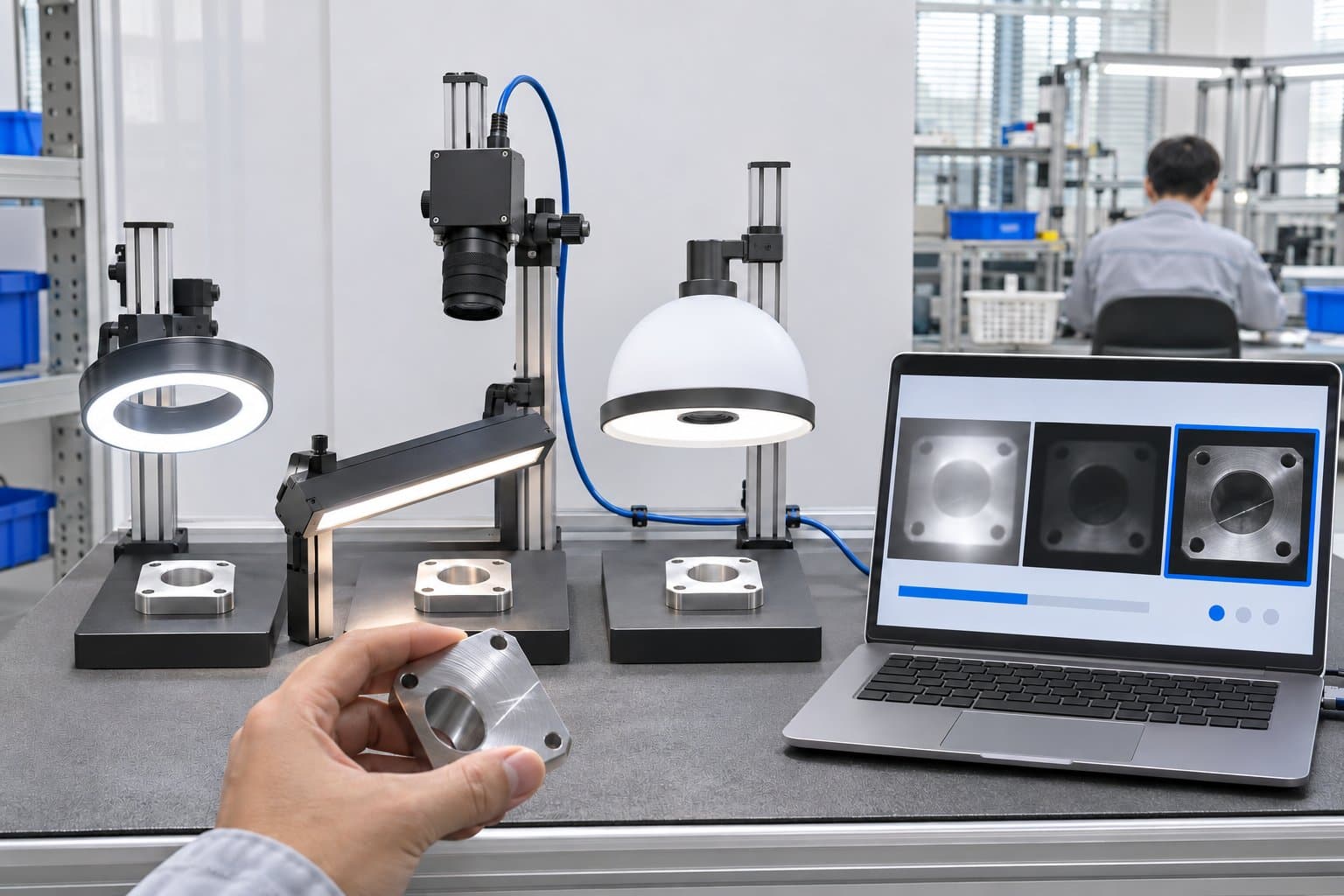
Bad lighting makes even the best AI model unreliable, so invest in industrial lighting and a good diffuser before splurging on an expensive camera.
4. Rule-based or AI?
- Rule-based: fast, cheap, works when defects can be defined precisely (holes, scratches, dimensions)
- AI / Deep Learning: for defects that resist rule-based definition (smudges, surface texture, off-spec colour)
- Most lines use both: vision filtering first, AI as a second-pass check
5. Decide the reject mechanism upfront
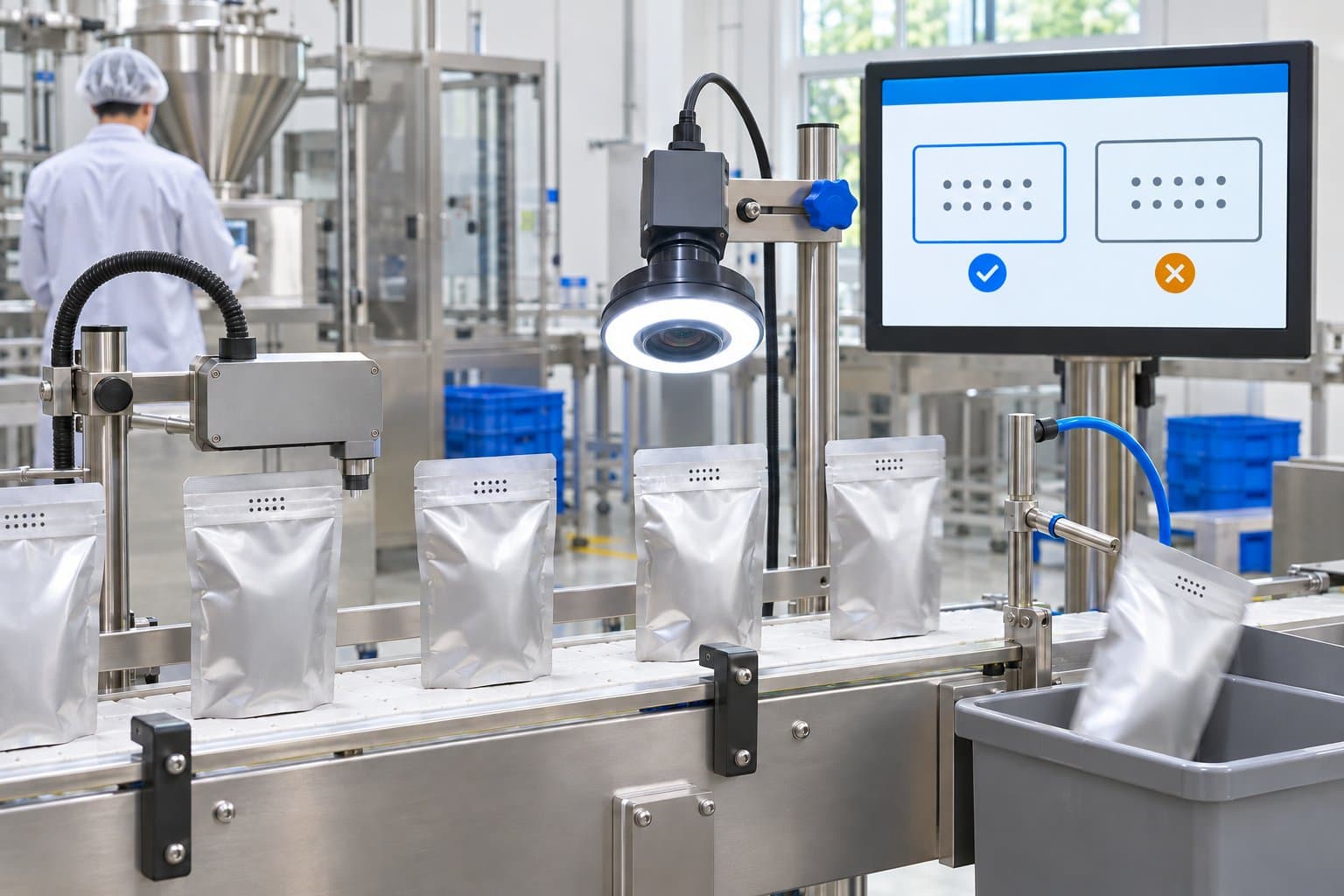
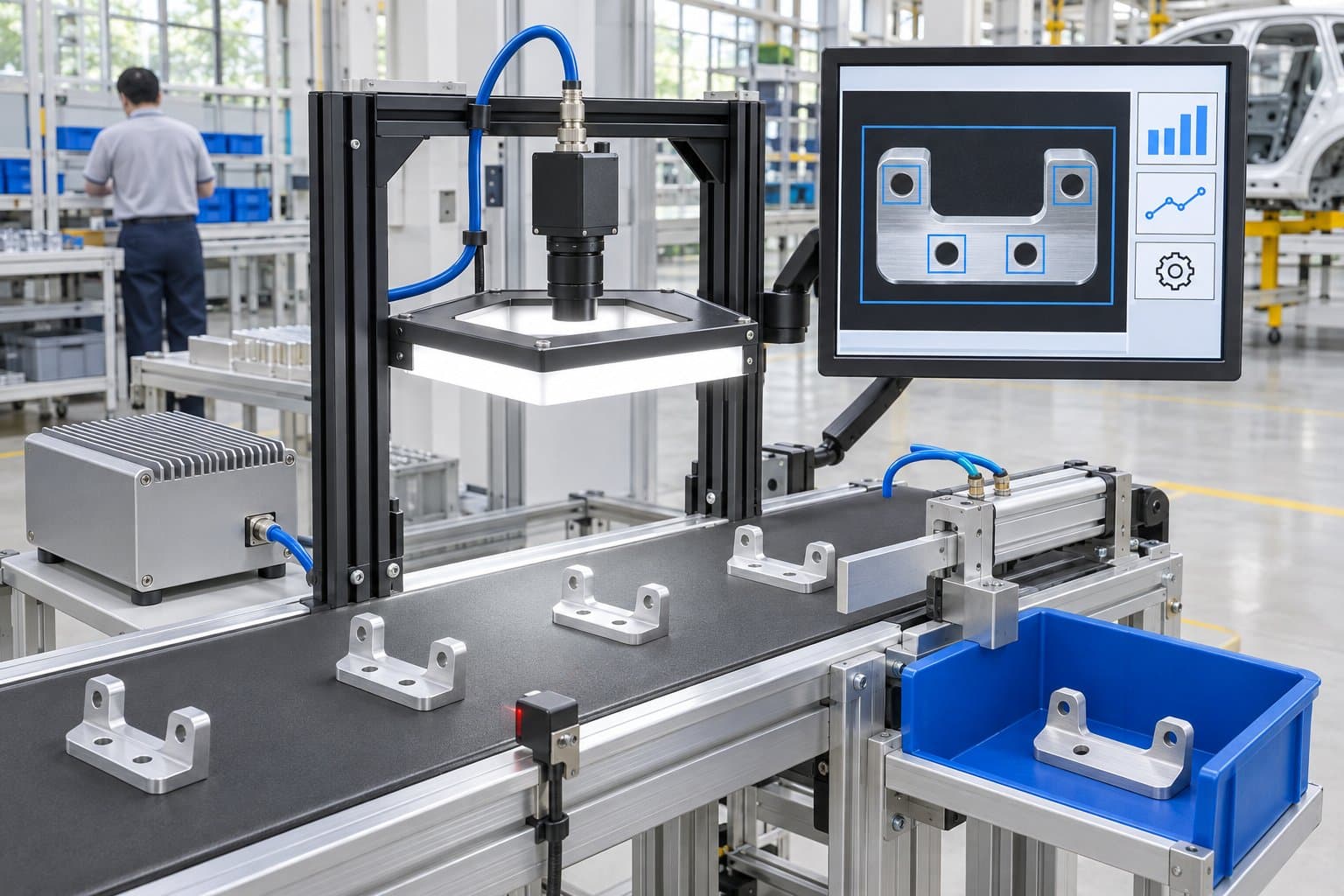
Once defects are detected, then what? Air blow / pusher / robot pick / alert only? Decide before design.
6. Integration with existing systems
What brand of PLC? Is there an MES? Does the vision controller talk Ethernet/IP, Modbus, or digital I/O?
7. Maintenance plan
Lenses get dusty and LEDs degrade, so decide upfront whether maintenance is in-house or vendor-supported.
The best vision system isn't the most expensive one. It's the one sized exactly right for your job.