By ยศกร จิรพงศานานุรักษ์, Founder · 10 min read · Smart factory
Industry 4.0 has been talked about in Thailand for many years, but many factories have not yet started from basics such as collecting machine data. This article summarises why, and how a factory should start.
Industry 4.0 in practice
Industry 4.0 is not "installing AI" or "adding robots", but a factory being able to:
- Collect real-time data from machines and people
- Send data over the network between OT and IT layers
- Analyse data to make automatic or semi-automatic decisions
- Continuously adjust the production loop according to the analysis
6 misunderstandings commonly found in Thailand
1. "You must install AI before it counts as Industry 4.0"
Wrong: AI is Phase 4 of the roadmap. Phases 1-3 are collecting data, monitoring and optimising, using rule-based methods first.
2. "You must replace all machines with new ones"
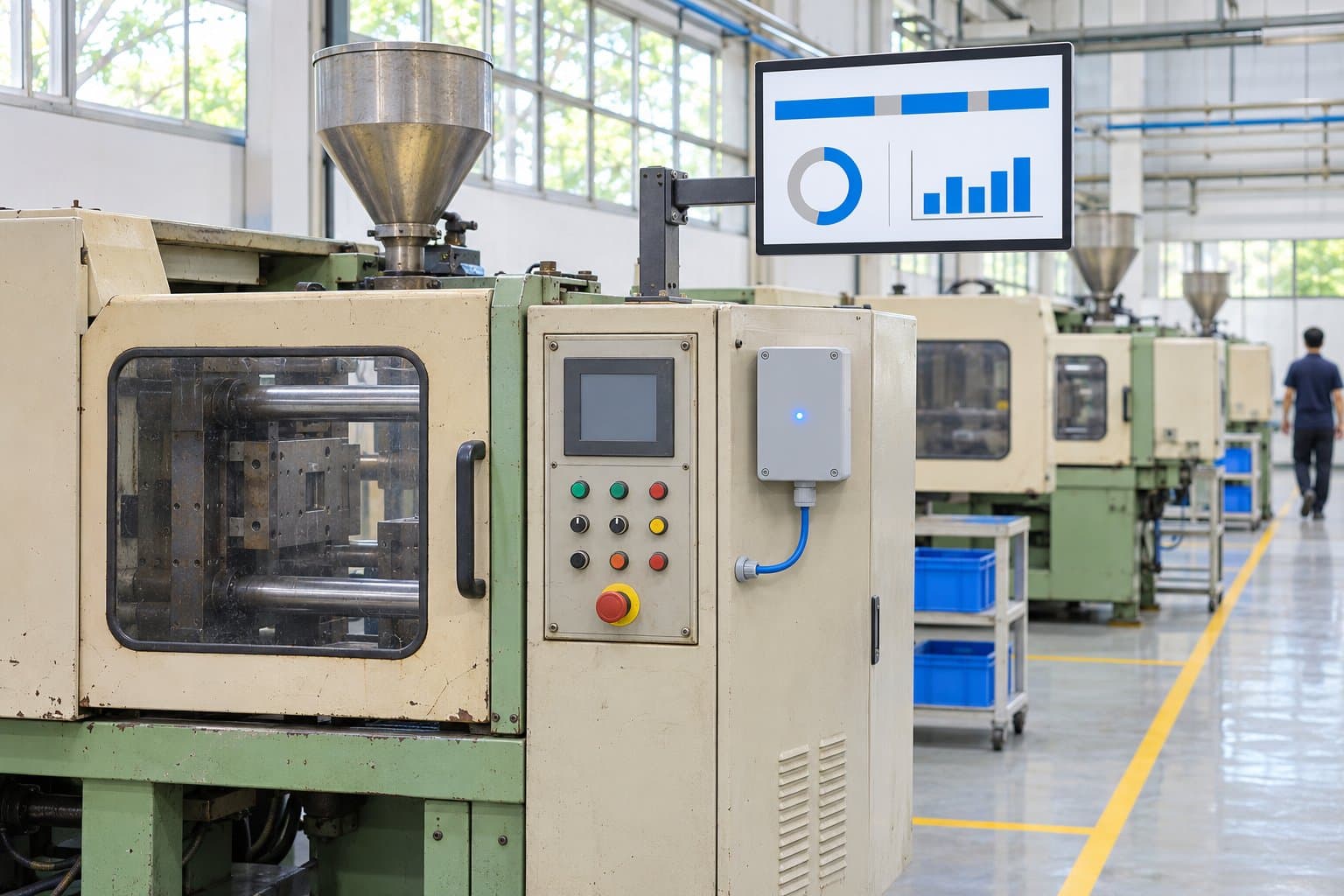
Wrong: many older machines can be retrofitted with an IoT gateway at the PLC signal terminals.
3. "You must hire a professional IT team"
Wrong: with a well-designed system, the existing operator and technician team can keep using it. You only need a vendor that supports you for the first 1-2 years.
4. "AI needs 5 years of data"
Wrong: for a factory, 2-3 months of real production data is enough for a baseline model. What matters is quality, not quantity.
5. "The cloud isn't safe for factories"
Wrong: a hybrid setup (critical control on-premises, analytics in the cloud) is a common design, and security depends on how the system is built rather than on whether it uses the cloud.
6. "Industry 4.0 isn't profitable in Thailand"
Wrong: projects that start from a measurable problem, such as downtime or defects, can be measured from the first phase. The payback period depends on each factory's own numbers, so you should measure a baseline before starting.
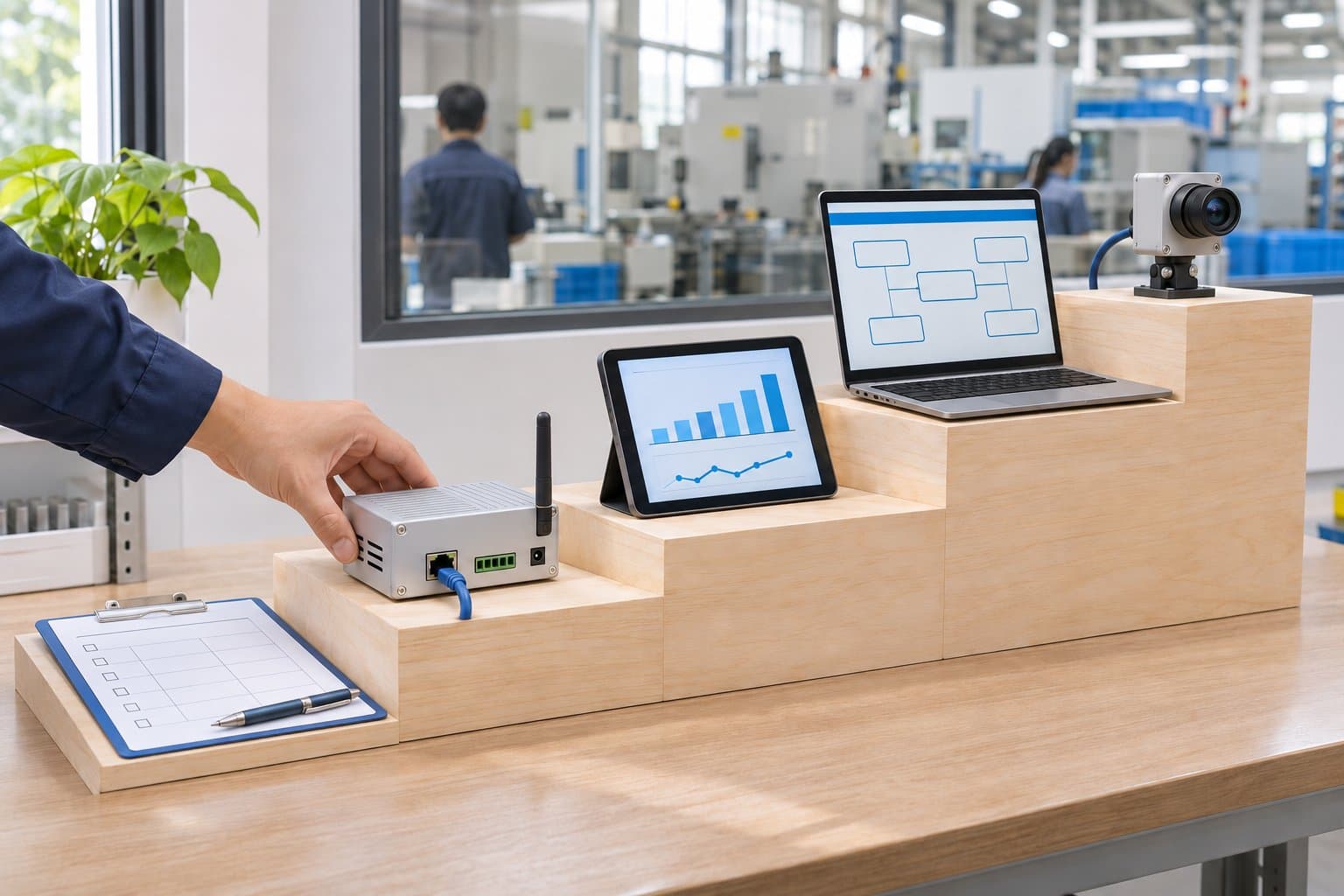
2-year roadmap · Thai SME factories
Quarters 1-2
- Choose 1-2 lines with the highest defects/downtime
- Install an IoT gateway + dashboard
- Build a 60-day OEE baseline
Quarters 3-4
- Add SCADA + role-based alarms
- Integrate with the ERP (starting with inventory + production count)
- Do analysis to find the 3 main root causes
Year 2
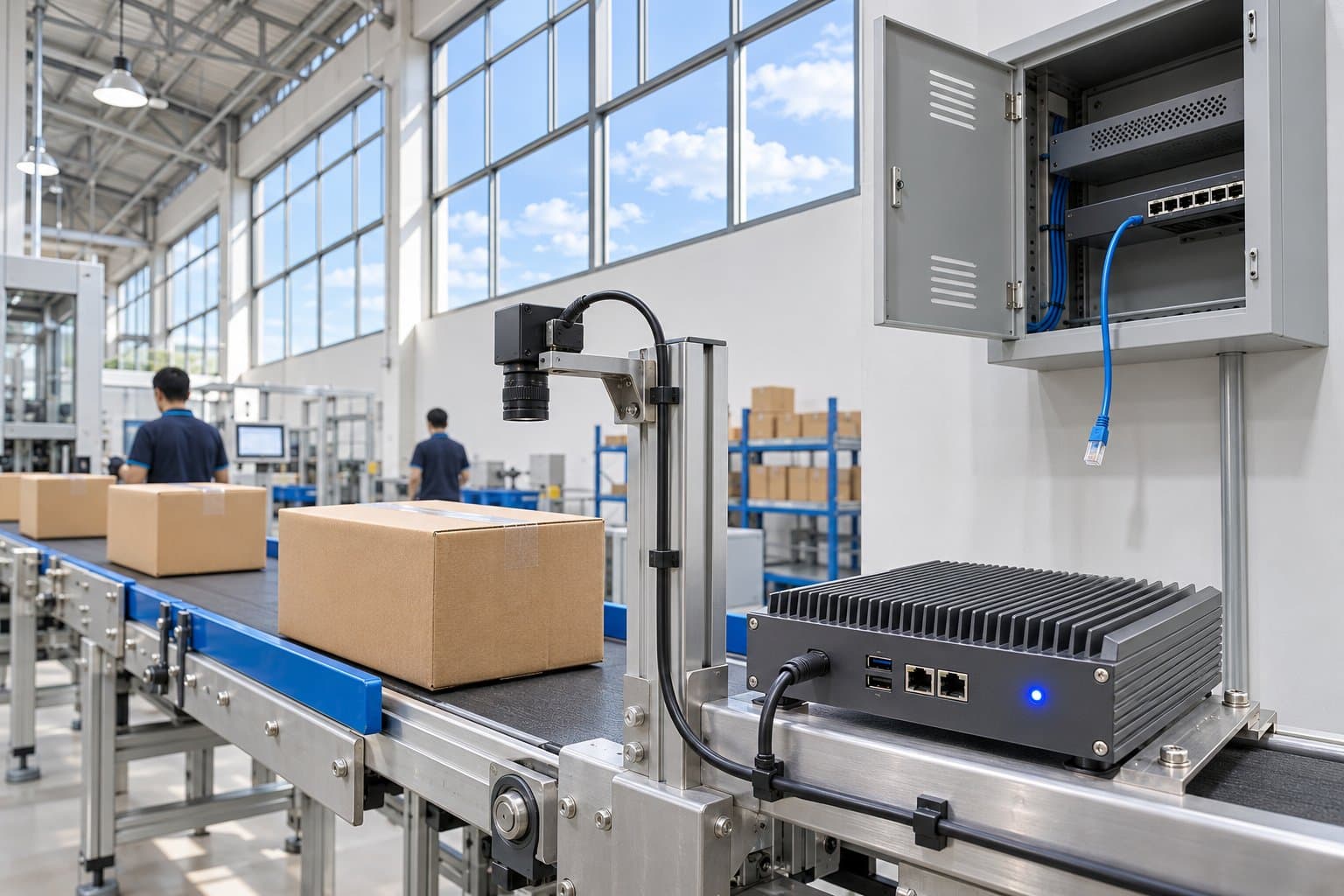
- Install Machine Vision at 1-2 stations with the highest defects
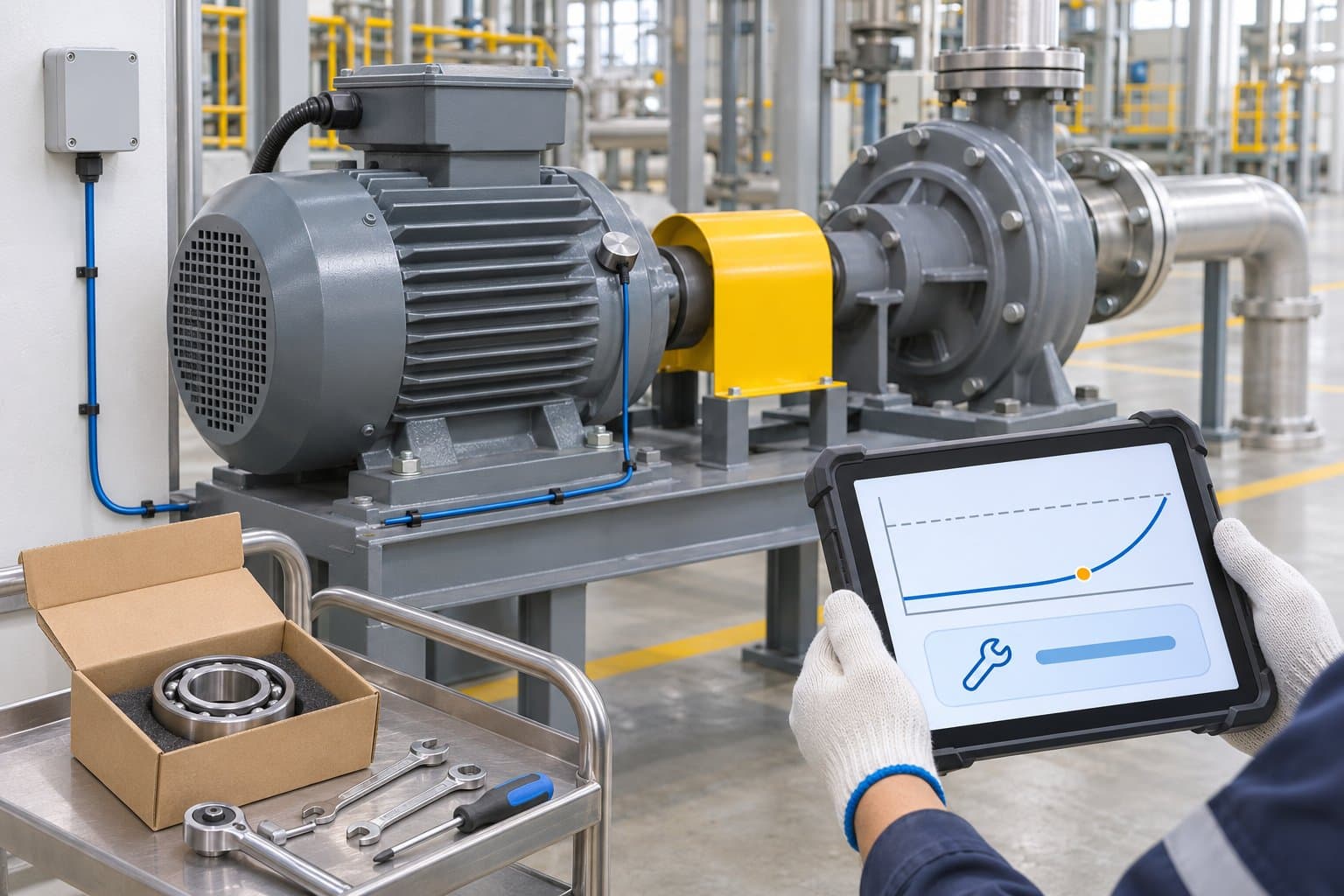
- Start predictive maintenance on key machines
- Roll out to the remaining lines
Before setting a budget, check directly with the relevant agency, such as the BOI (Board of Investment), for investment promotion measures or grants that are open at the time, because conditions and benefits change with announcements.
Who is Industry 4.0 in Thailand suited to?
- SME factories making automotive parts, electronics, food
- Factories with OEE below 75%
- Factories run by the 2nd-3rd generation of owners (often open to change)
- Factories whose customers are starting to ask for traceability or certification
Industry 4.0 is not a destination, it is a way of thinking about continuous work.