By ยศกร จิรพงศานานุรักษ์, Founder · 7 min read · AI for business · AI by department
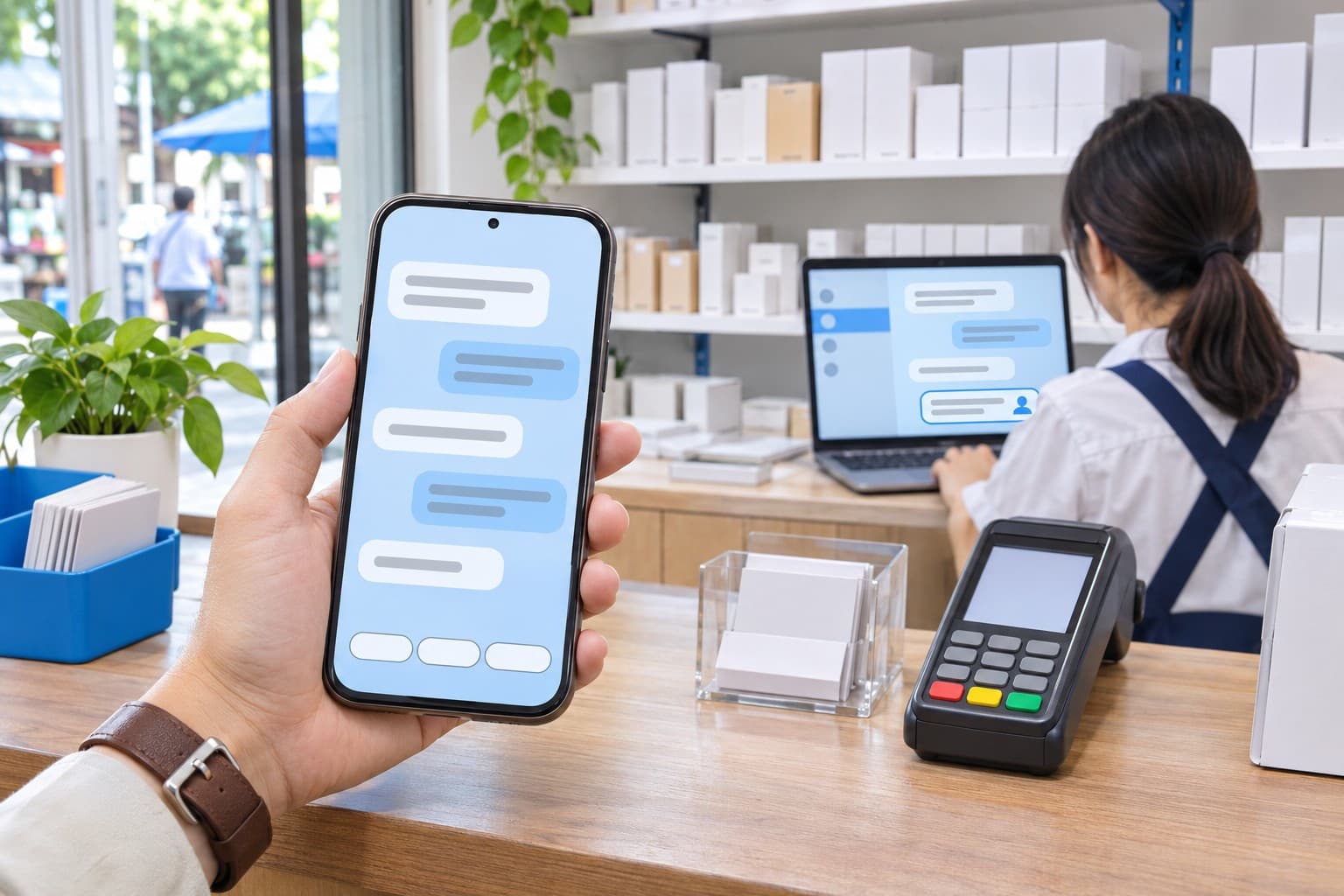
Most Thai businesses do not lose customers because their website is ugly. They lose them because they reply slowly on LINE. A customer messages at nine in the evening, the sales team sees it in the morning, and by the time they reply the customer has already bought from someone else. Putting AI where customers actually message therefore pays off faster than building a polished chatbot on a web page that nobody clicks.
How do you connect it to LINE OA?
- Open a LINE Official Account for the business.
- Enable message receiving through a webhook so that our system can receive messages.
- The system takes each message, looks up the answer in the company's documents, and sends the answer back.
- Define the conditions under which a staff member must take over.
What can it do?
- Answer frequently repeated questions, such as opening hours, service areas and how to order.
- Answer questions about product specs and service terms from the company's real documents.
- Collect basic details from prospects for the sales team before they call back, such as the type of job and budget.
- Pass the matter into the back-office system or ERP to open a job automatically.
- Answer 24 hours a day including holidays, which is when customers message more than many people expect.
What can't it do, and what should it not be allowed to do?
- Negotiate prices or confirm net prices. A person should always make that decision.
- Promise delivery dates or contract terms.
- Respond to complaints from customers who are upset. These should be handed to a person immediately.
- Handle personal data without access control and proper consent.
The most common point where projects fail is the handover to a person. If a customer types that they want to speak to a staff member and the bot keeps asking questions, the customer will stop talking immediately. A good system must have a clear command to leave the bot, and must actually alert the team when someone asks for help.
What should you prepare before starting?
- Gather the 30 to 50 questions that customers most often ask, from past chats.
- Bring the documents used to answer up to date, especially prices and service terms.
- Decide who takes over, and during which hours.
- Agree the message that tells customers they are talking to an automated assistant, for transparency.
How do you measure it?
The figures to watch are first-response time, the share of conversations that finish without needing a person, and the number of prospects passed to the sales team with complete information. A figure that should not be used to judge is the number of messages the bot sends, because it does not tell you whether the customer got what they wanted.
Frequently asked questions
Can it be used with a salesperson's personal LINE?
No. It has to be a LINE Official Account, which is a good thing anyway, because a business account keeps the customer conversation history with the company, rather than on the phone of an employee who might resign.
Will the bot answer wrongly and make us lose customers?
This risk can be reduced by limiting the scope: let the bot answer only what the documents support, and when it is not sure, reply that the team will get back to the customer. In practice, a reply that says it is not sure and hands over to a person always leaves customers happier than a confident wrong answer.
How are the costs calculated?
They split into two parts: the development and initial setup fee, and the monthly cost. The monthly cost consists of LINE's message fees according to the package chosen, and AI processing fees charged by actual usage. The number of messages per month is therefore the main variable in estimating the budget.