

Knowledge
Technical guides with sample code we ran, its real output, and references.
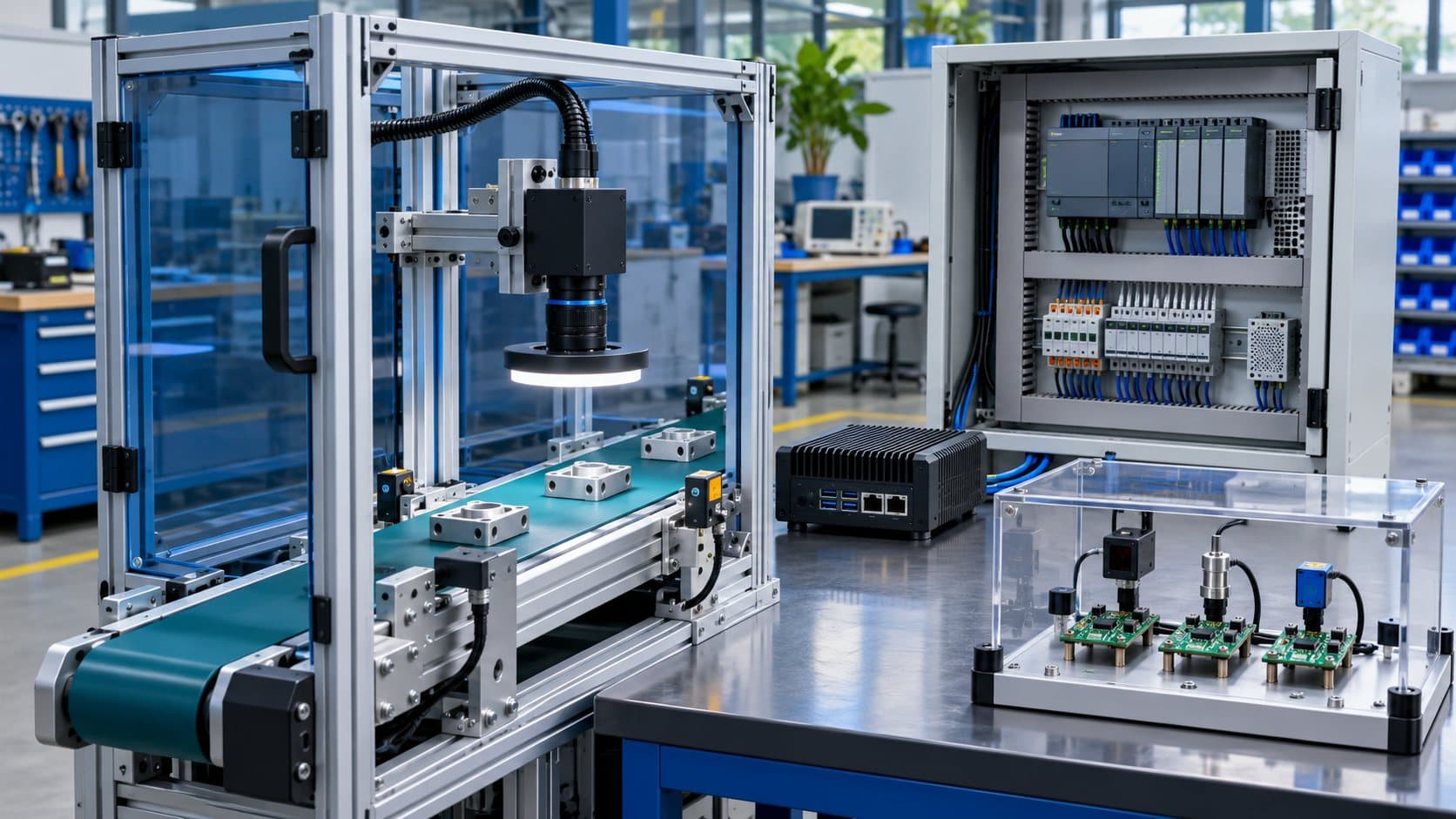 Automation26 min readOne system designed with PLC, Jetson, STM32 and Arduino: splitting roles for easy repairSplitting an inspection station into PLC, Jetson, MCU nodes, gateway and web, defining the message contracts, and simulating it in runnable TypeScript with injected faults to see each layer fall to a safe state with no duplicates on replay (Thai text).
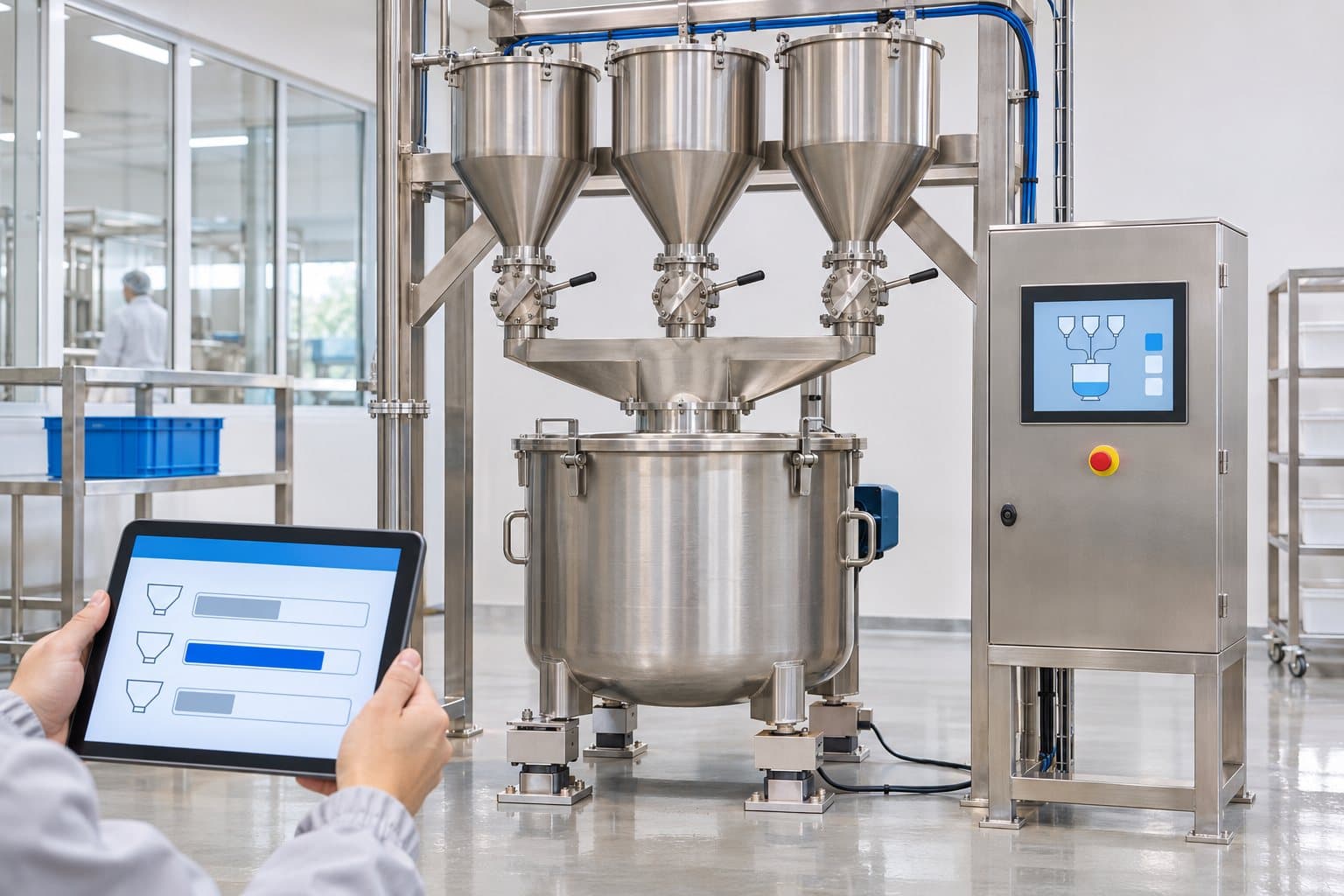 Automation26 min readRecipe Dosing and Weighing with a PLC and a Web App: Who Does WhatWeb app owns recipes and batch records, PLC owns valves and weight. Runnable simulation with coarse/fine feed, self-adapting in-flight compensation, alarms and a handshake that never doses twice (Thai text).
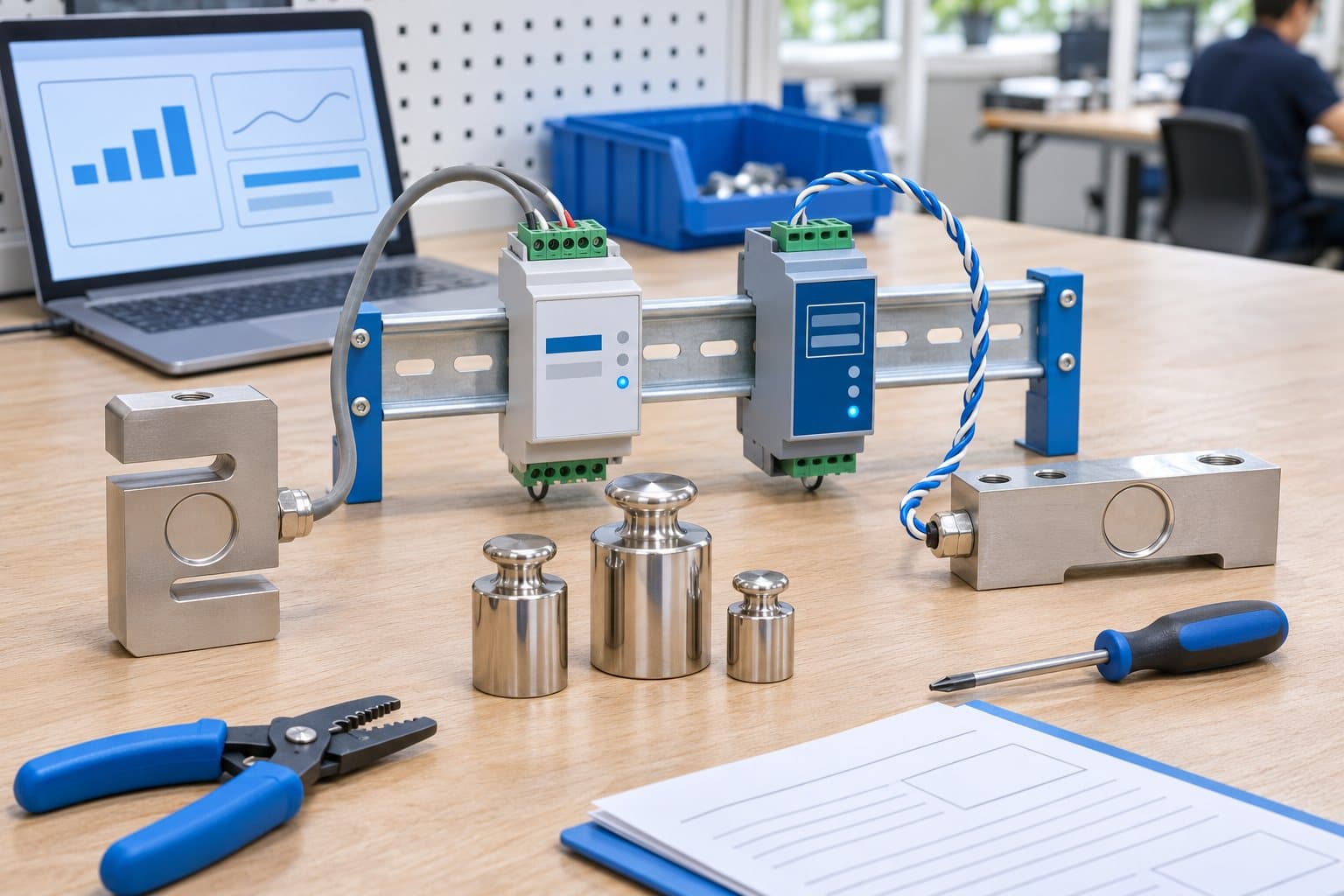 Automation26 min readLoad Cell Analog or RS485: Choosing for a Weighing SystemChoosing a load cell and signal path by calculation, from mV/V to counts per kg, with runnable TypeScript: a calculator that fails a design and fixes it, and a simulated Modbus RTU read of an RS485 weighing indicator (Thai text).
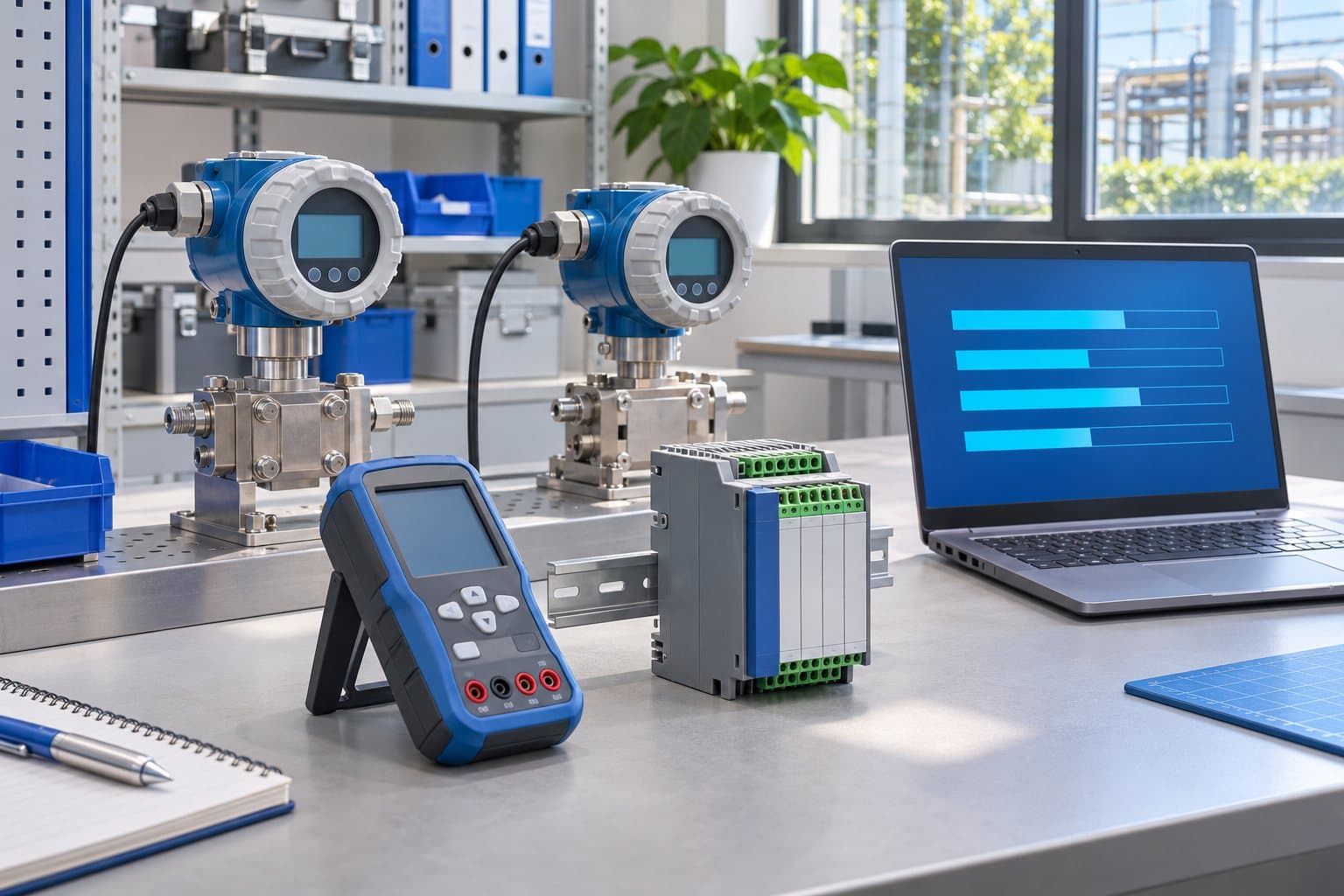 Automation24 min read4–20 mA vs 0–10 V: Choosing the Right Analog SignalA runnable comparison of 4–20 mA and 0–10 V: scaling with clamping, broken-wire and over-range detection, filtering, a loop power budget and a Structured Text function block that has never been compiled (Thai text).
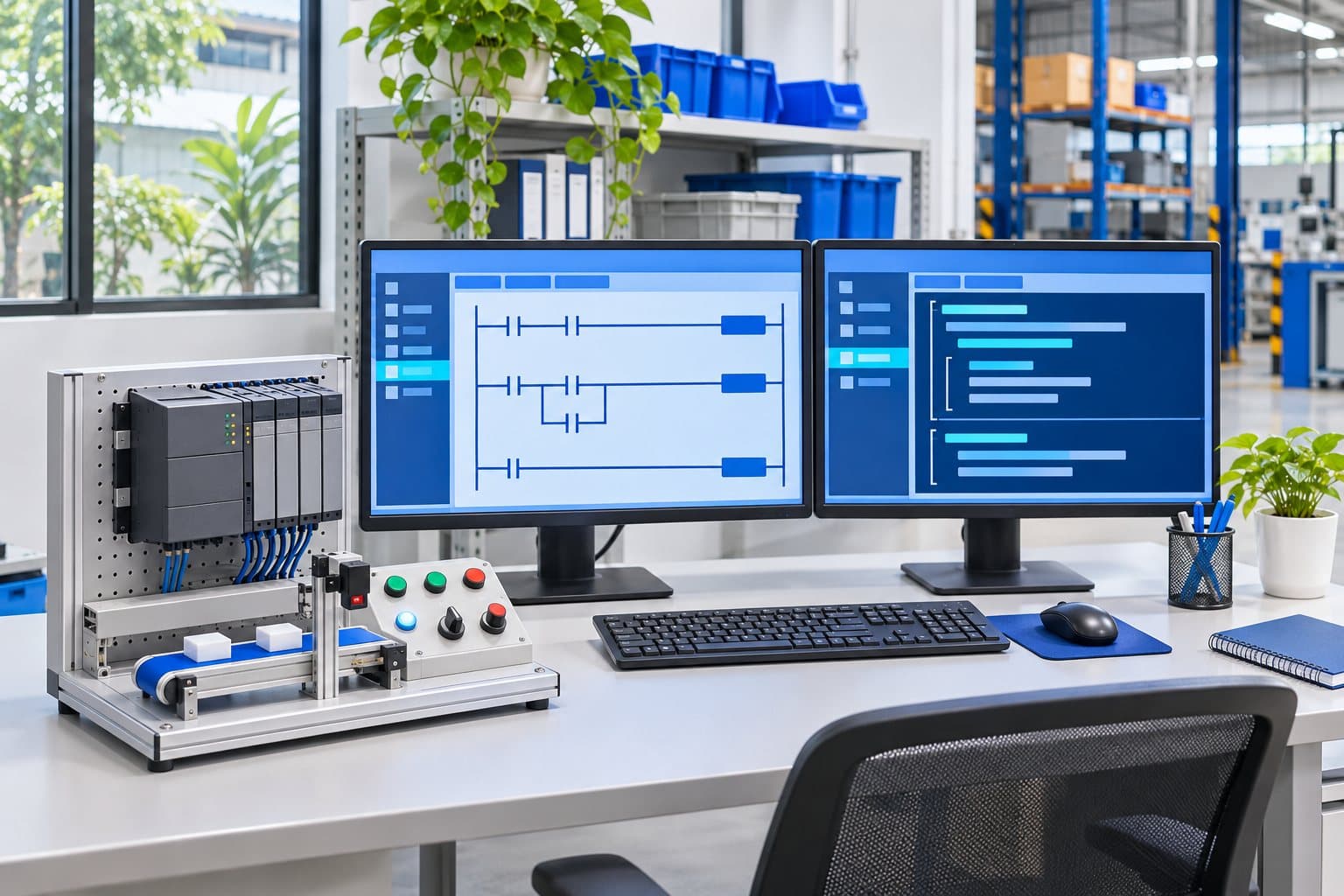 Automation2 min readLadder vs Structured Text: Choosing a PLC Language Your Team Can MaintainLadder shows logic in a form that reads like conditions and states; Structured Text suits ordered instructions and data handling. Either way, structure, naming and documents must make sense to the maintenance team.
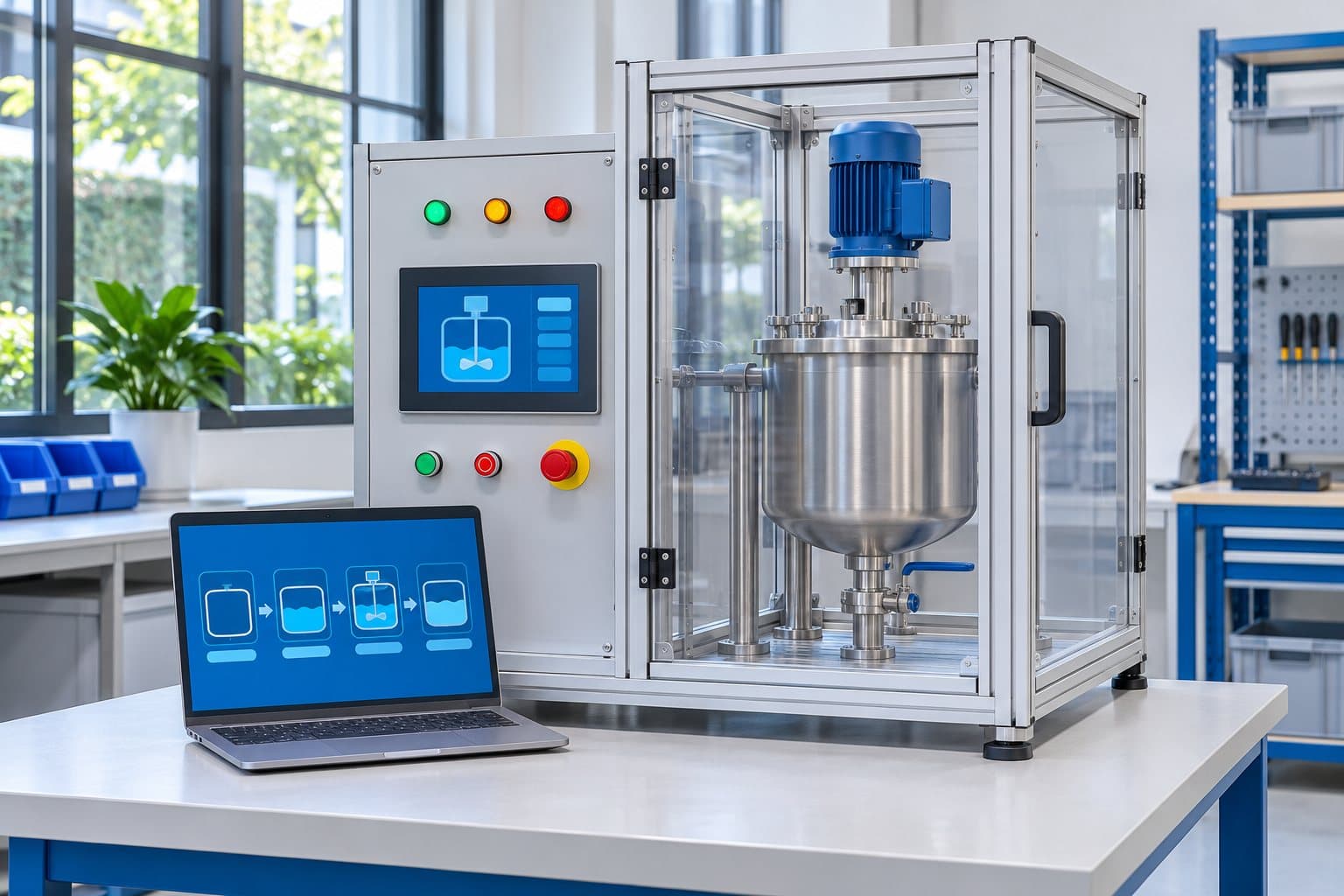 Automation26 min readSequence, Interlock and Permissive: Reading Machine Conditions SystematicallyA sequence says which step the machine is in and when it moves on; permissives and interlocks state what allows or blocks an action, as defined by the project. Agreeing the meanings early avoids hidden logic.
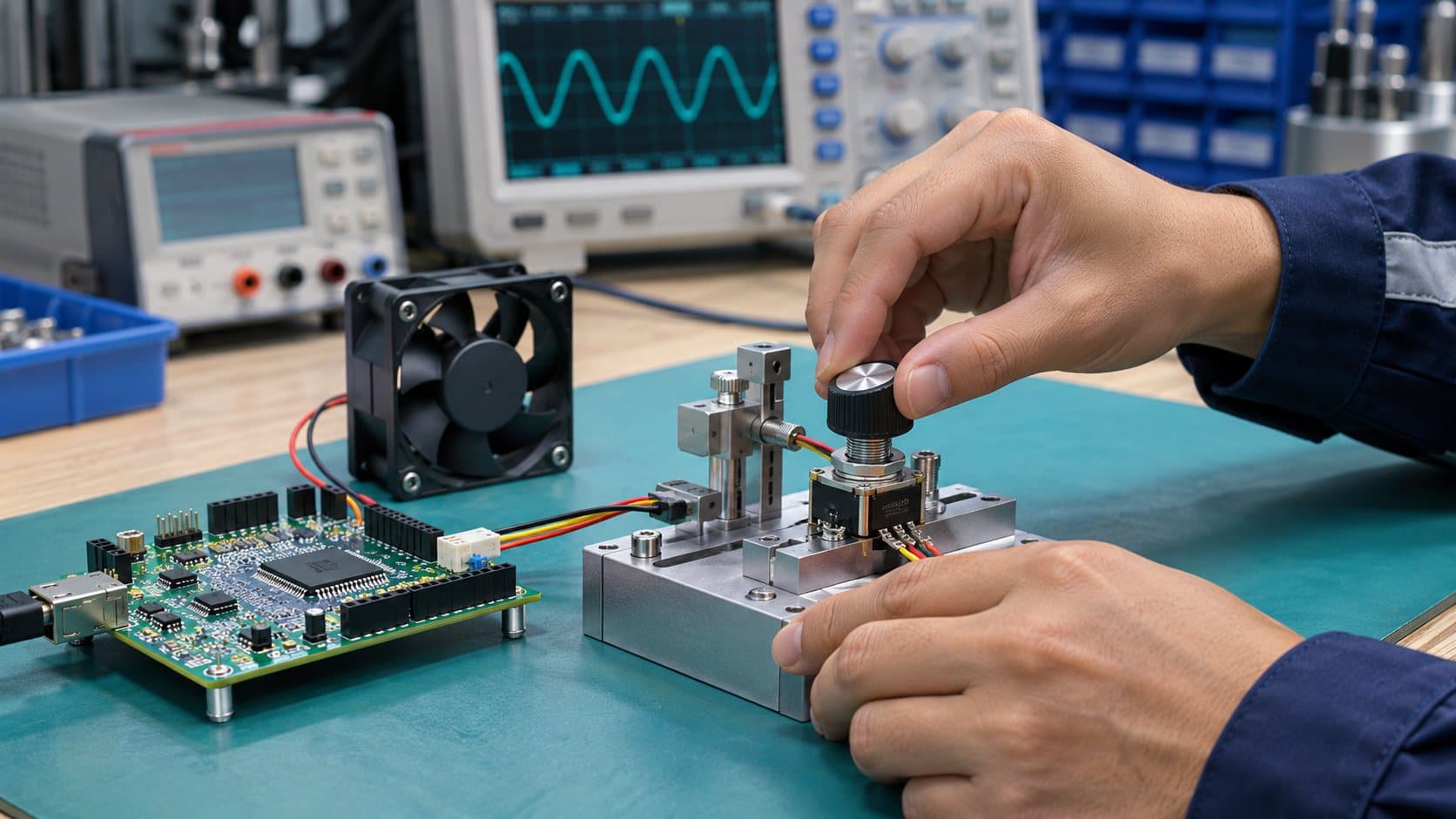 Automation2 min readADC, PWM and calibration: getting sensor readings that mean somethingAn ADC turns a voltage into a number that depends on the reference, resolution, source and noise. PWM is a switched duty-cycle signal, not a steady analog voltage. Turning counts into temperature or volts needs an equation, units and a check against a reference instrument.
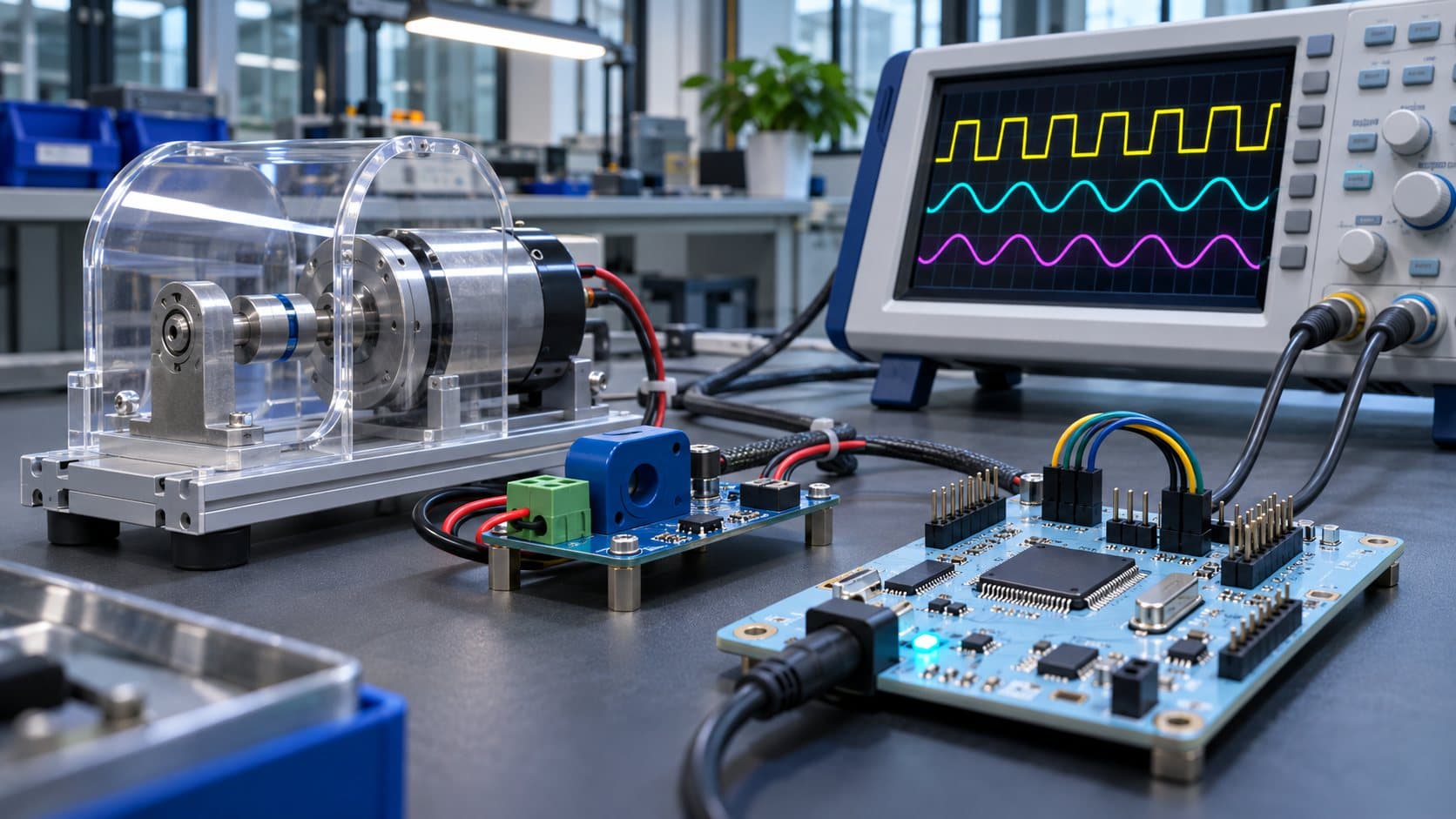 Automation2 min readSTM32G4 for measurement and control: ADC, timers and signal synchronisationThe G4's strengths are its mixed-signal and timer features in the chosen part. Measurement tied to a control signal depends on sampling timing, not on how fast averages print over Serial. Simulated signals are a safe way to learn triggering and timing.
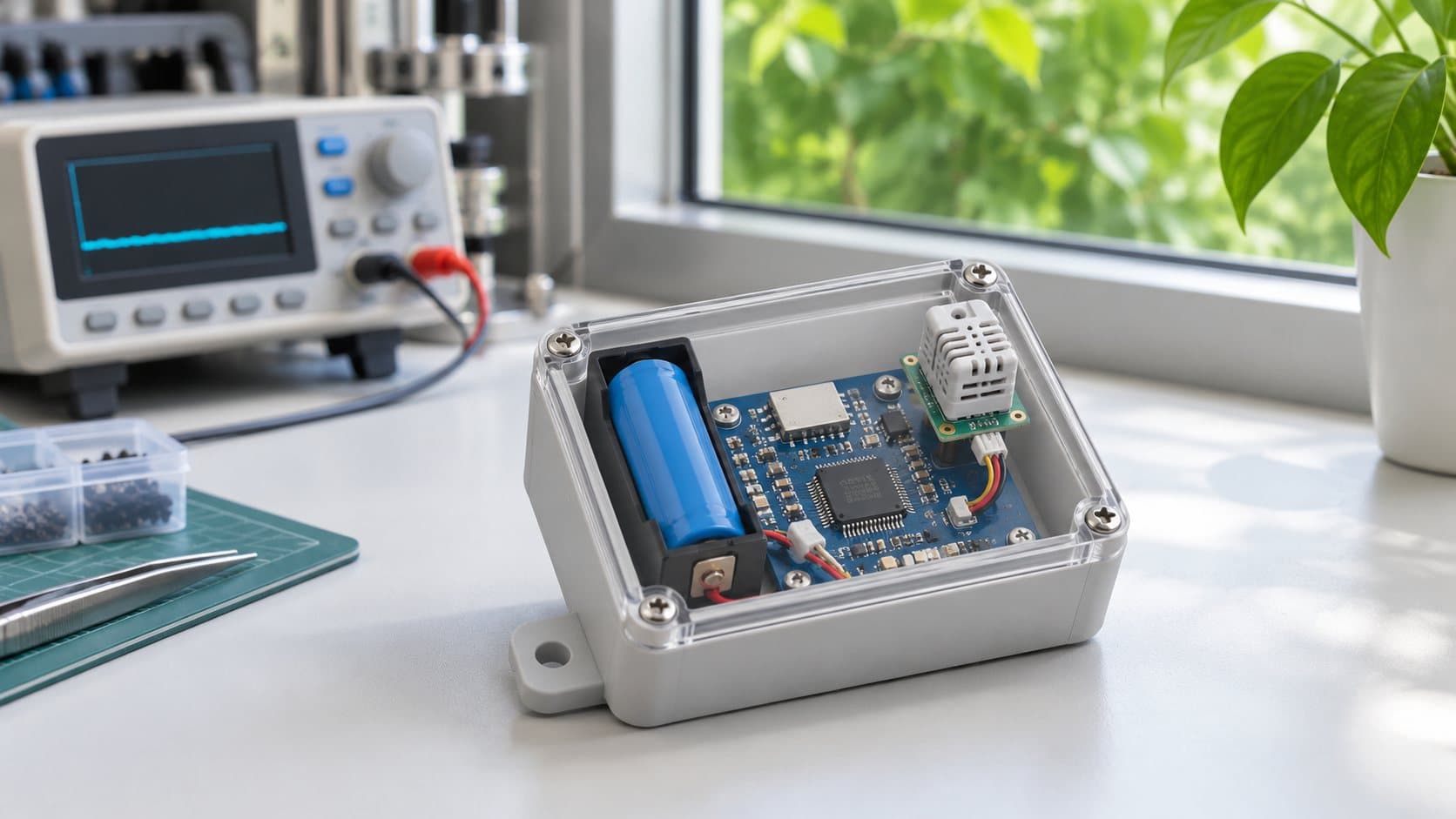 Automation2 min readSTM32 U0, U3, U5 and L4: choosing a battery MCU from whole-system energyBattery designs should measure energy per cycle across wake, measure, transmit and sleep. Chip sleep current is only part of it, since regulators, LEDs, debuggers and sensors can draw more than the MCU.
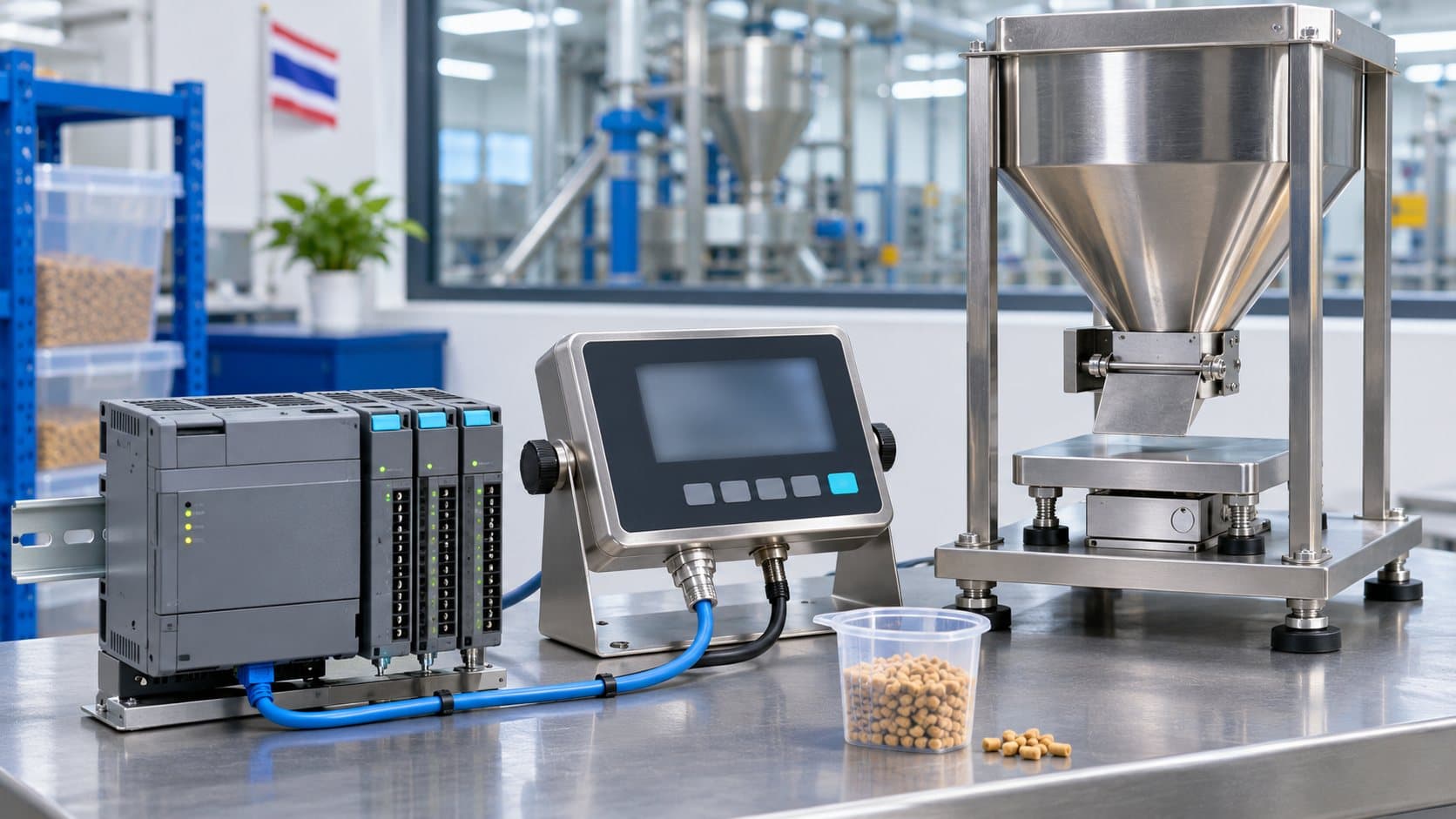 Automation24 min readDelta DVP-SE versus AS for weighing: reading scale data and choosing I/OA raw node:net Modbus TCP client (MBAP, FC03/06/16, exceptions, transaction ids, timeout, reconnect) against a mock weighing indicator, handling unstable and stale readings and a tare command, with runnable code and real output (Thai text).
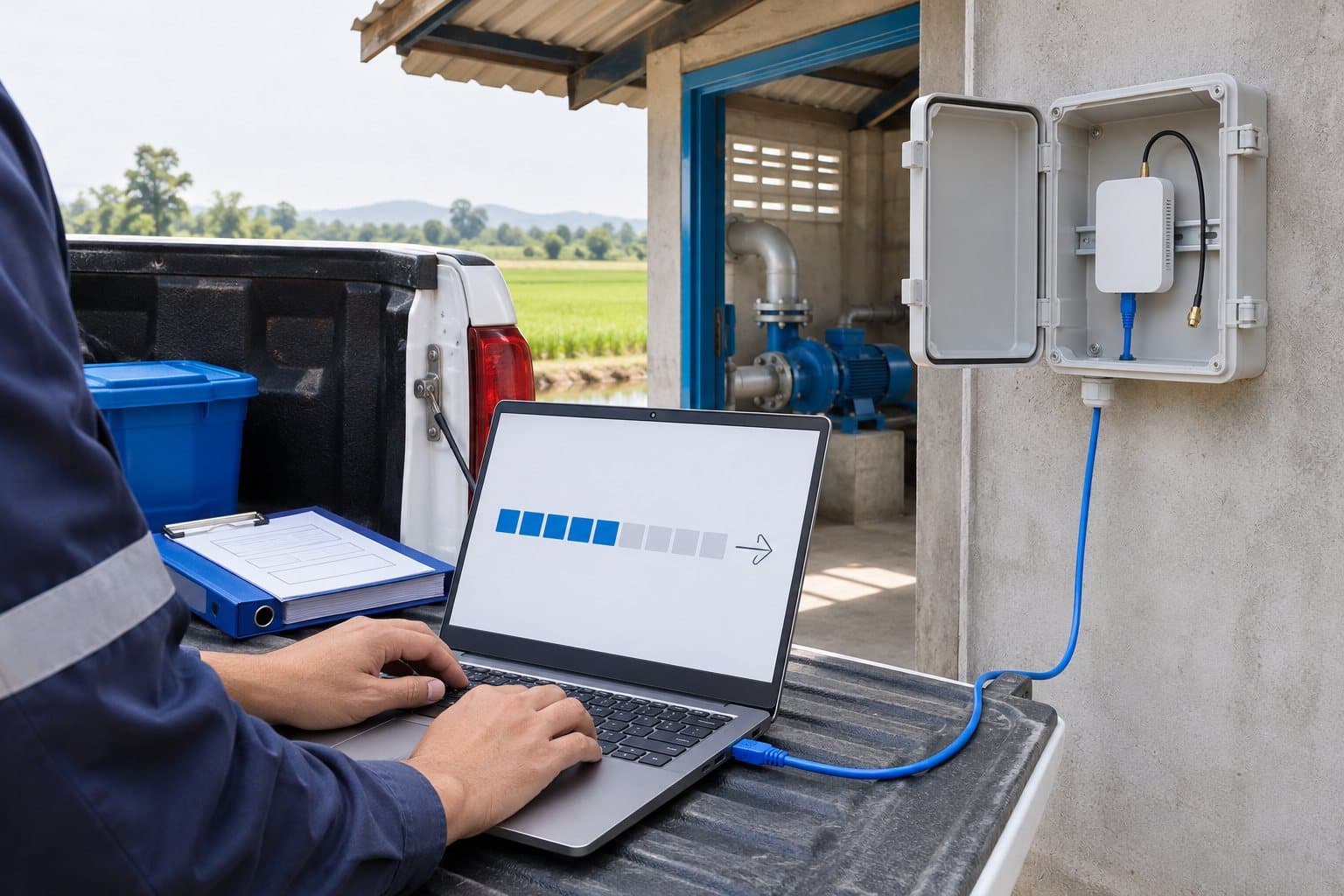 Automation22 min readGateway store and forward: getting through a dropped link without losing or double-counting dataThe link at a pump station drops for 80 minutes. Without a gateway buffer that water is never counted; with a buffer but no sequence numbers, resends count it twice. Runnable code for the outbox, sequence numbers, acks, deduplication, and showing a gap as a gap.
 Automation20 min readA device offline is not a zero reading: separate online status, and alarms that do not repeatA water-level sensor loses power for 41 minutes and the screen shows an empty tank while it still holds over 64%, and a level hovering at the limit raises six alarms in one morning. Runnable code that separates online, stale and offline using the last data time and the MQTT last will, and a low-level alarm with an on-delay and a deadband that raises once.