

Knowledge
Technical guides with sample code we ran, its real output, and references.

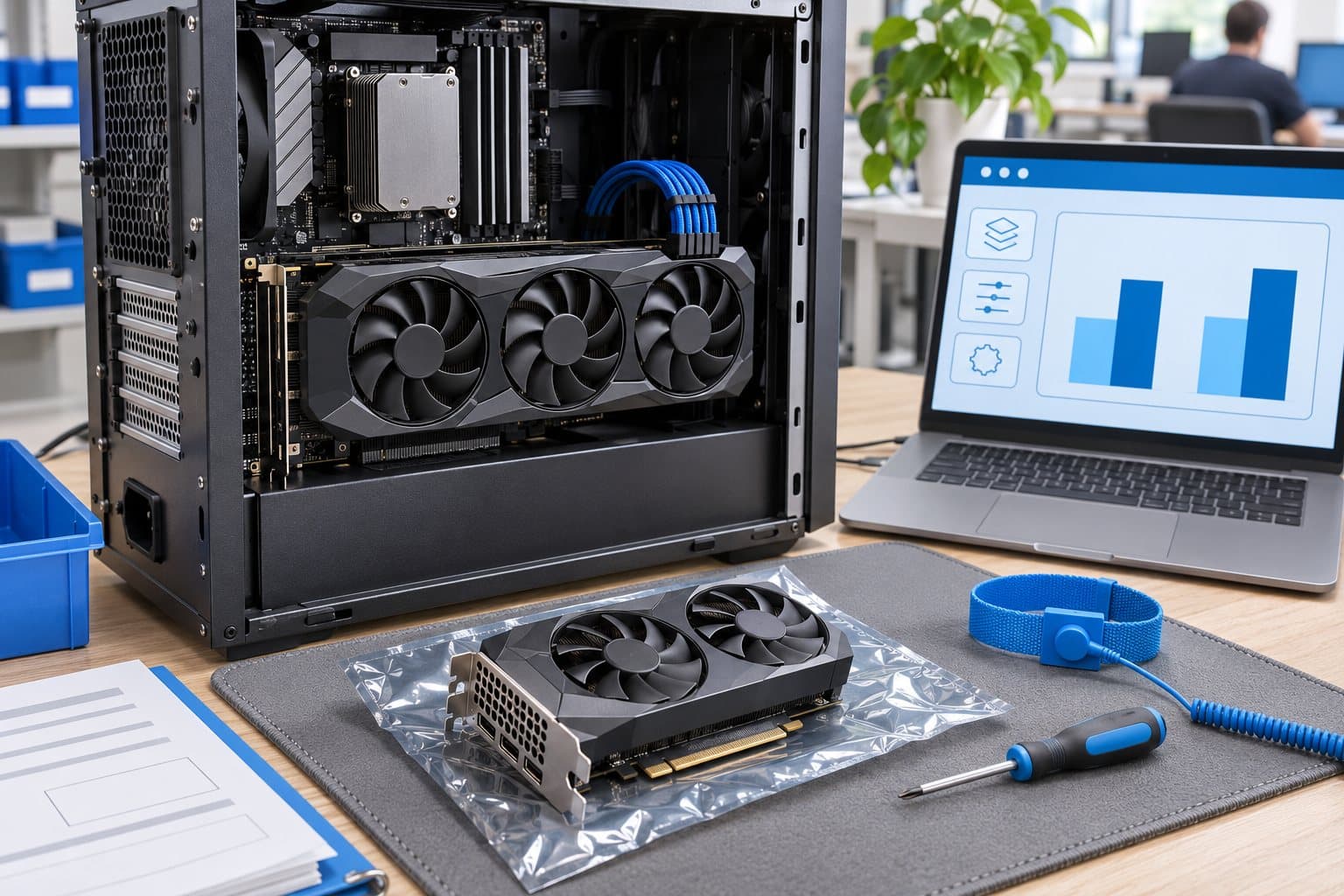 AI for businessAI technology and models6 min readChoosing a GPU for AI Work: Start From the Model, the Data and the WorkloadBefore buying or renting a GPU, separate training, fine-tuning and serving, then measure. Do not choose by card name or memory size alone.
 AI for businessAI technology and models6 min readWhat Is Speech AI: Turning Voice Into Text and Text Into VoiceSeparate ASR, TTS and the summary step, then test Thai audio from your own company before use, with notes on recording consent.
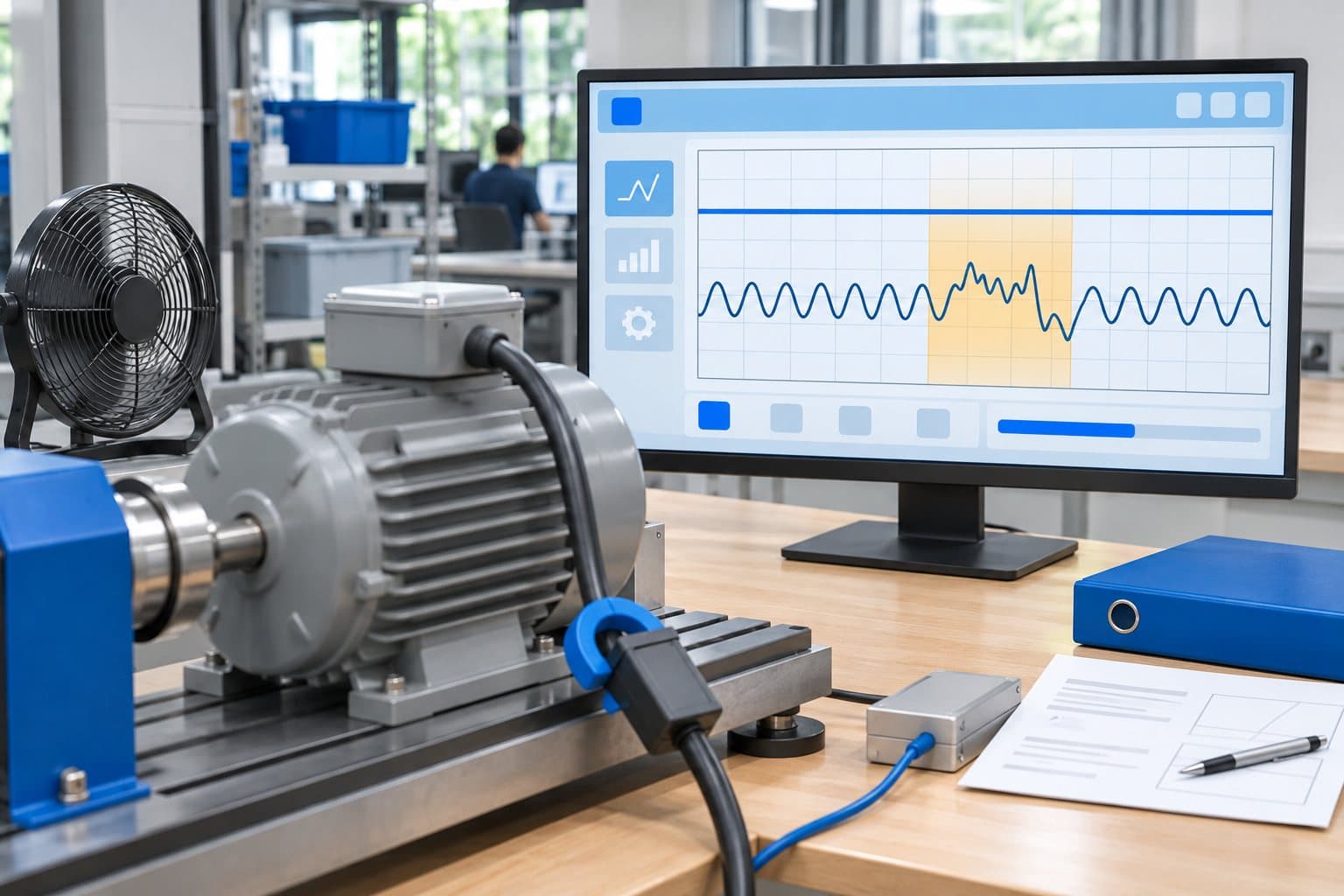 AI for businessAI technology and models27 min readAnomaly Detection vs Alert Rules: When to Use Which, with runnable comparison codeCompares fixed limits, rate-of-change, flatline, robust z-score and Isolation Forest on made-up machine data, measuring events found, delay and false alarms per day, with Python code, real output and tests (Thai text).
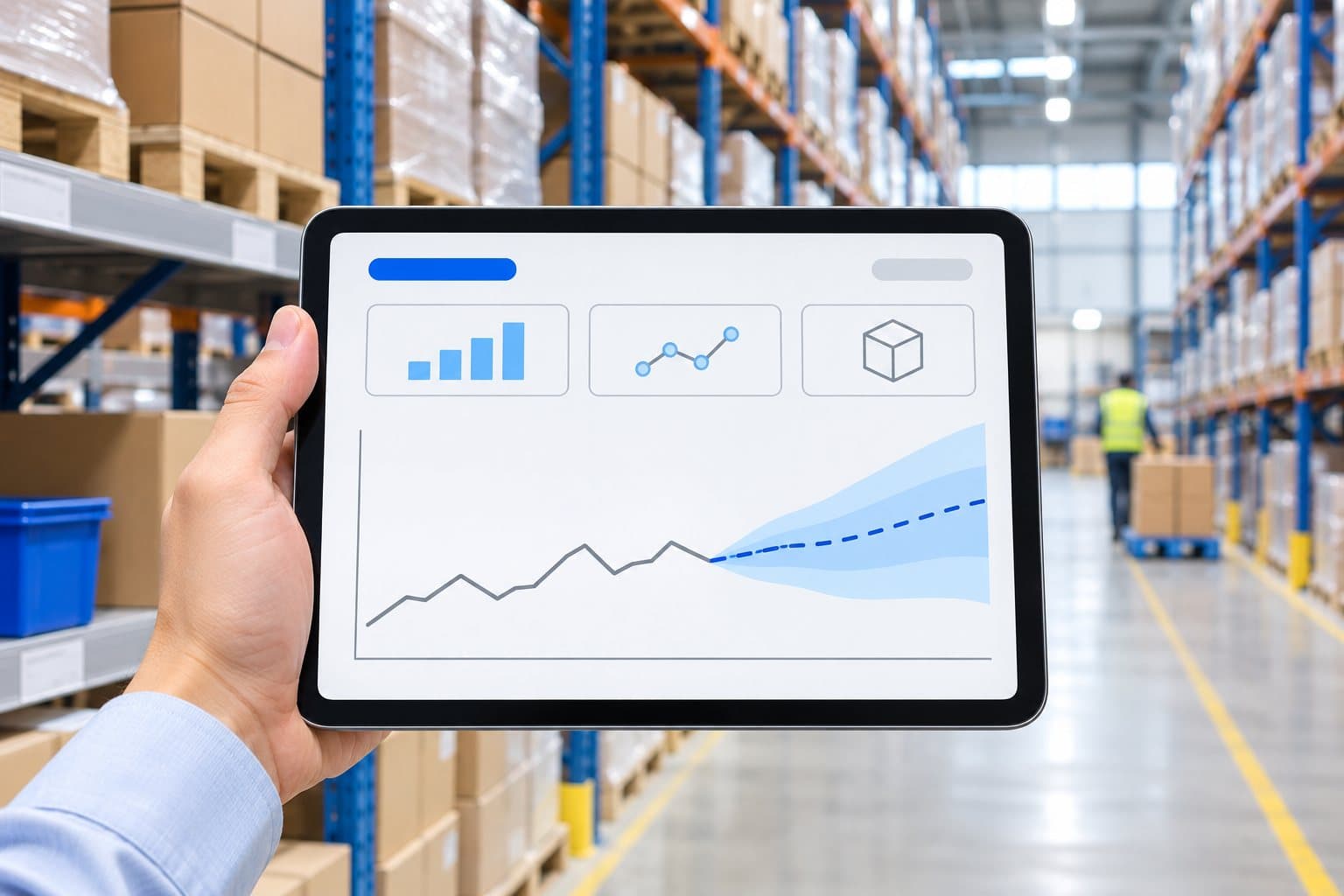 AI for businessAI technology and models30 min readAI Sales Forecasting: Prepare Data and Measure Against Your Current MethodA forecasting model is only worth it if it beats seasonal naive in a fair backtest. A step-by-step Python and numpy guide: cleaning, stock-outs, baselines, MAE/WAPE/MASE, intervals and reorder points, with runnable code and real output (Thai text).
 AI for businessAI technology and models7 min readClassification, Detection and Segmentation: What Is the Difference?Using one workpiece photo, see what each of the three vision model types returns, how much labeling each needs, and how to choose.
 AI for businessAI technology and models7 min readWhat Is MLOps: Looking After Data, Models and Test Results Once AI Is in UseThe first AI model works, so who looks after it? This covers versioning, monitoring, retraining, rollback and ownership.
 AI for businessAI technology and models7 min readWhat Is Synthetic Data: How Far Can Generated Data Help Train AI?Generated data can help when real data is scarce, but it is not private by default and must be judged on real data.
 AI for businessAI technology and models6 min readQuantization and Small Models: What You Trade Away to Use Fewer ResourcesShrinking a model saves memory but can cost quality. This article shows how to measure what you lose.